

When the Ground Moves, Rescue Goes Vertical: How Rope Systems Reach the Unreachable
When the ground moves, everything changes.
Roads can become blocked.
Buildings can become unstable.
Bridges can become inaccessible.
Mountain slopes can collapse.
And suddenly, the biggest challenge for rescuers is not finding the person who needs help.
It is reaching them.
The recent earthquake in Japan's Kumamoto Prefecture has once again demonstrated how complicated disaster response can become after a major seismic event. The magnitude 7.1 earthquake struck on July 28, with maximum seismic intensity of 7 recorded in parts of the region. Weeks later, communities were still dealing with damaged homes and disrupted essential services.
For emergency teams operating in damaged and unstable environments, traditional access routes may no longer be enough.
This is where rescue goes vertical.
When Roads Are No Longer an Option
In the aftermath of an earthquake, rescuers may encounter collapsed roads, damaged bridges, unstable structures, and landslides.
A rescue vehicle may stop hundreds of meters away from its destination.
A ladder may not be long enough.
A crane may not be able to enter the area.
Even when helicopters are available, landing may be impossible.
Rope systems provide another solution.
By establishing controlled vertical access, trained rescue teams can descend into difficult terrain, evacuate injured people, move equipment, and create temporary access routes where conventional infrastructure has failed.
This capability is particularly valuable in mountainous regions, disaster zones, and high-angle environments.
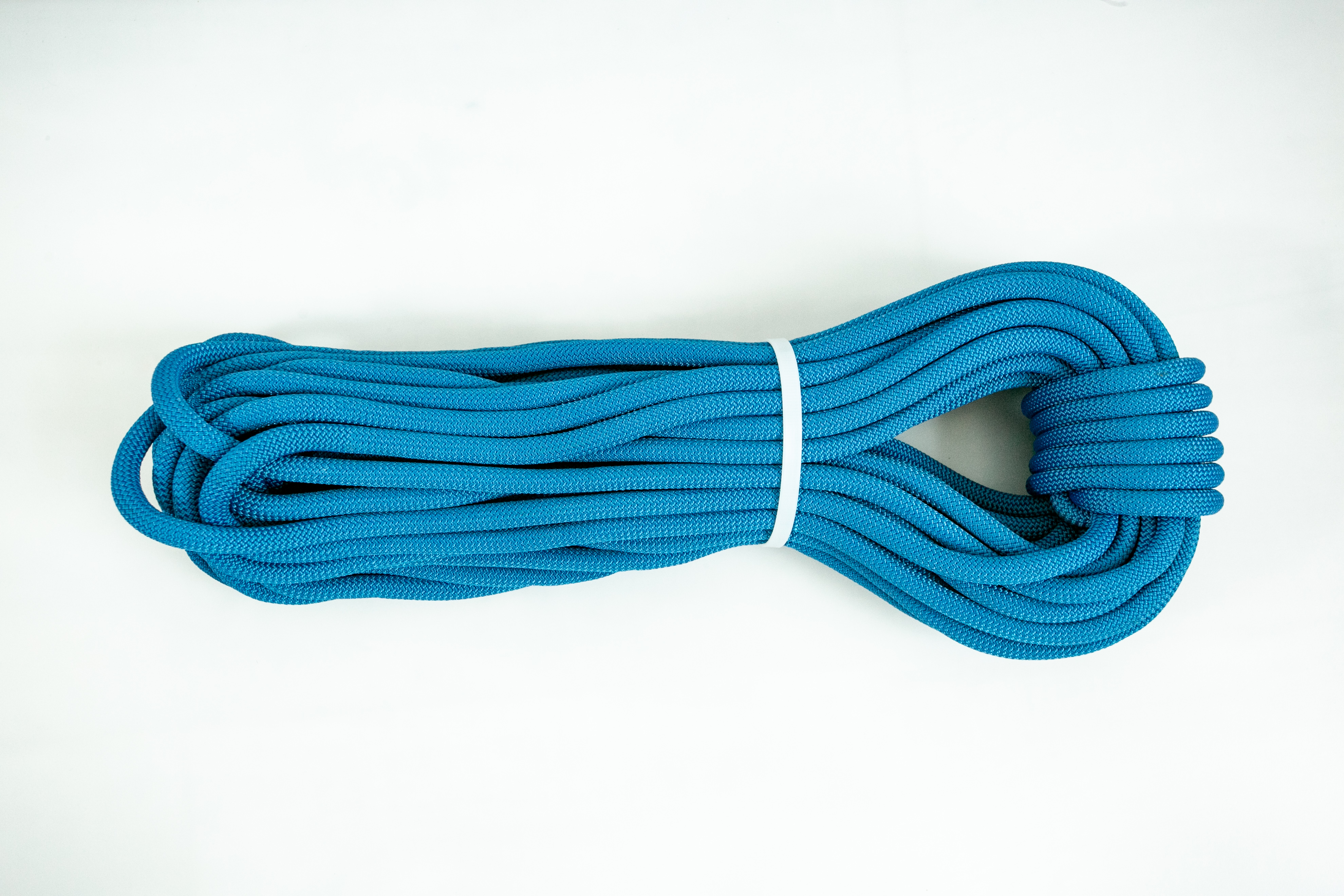
Static Rope: Control When Every Movement Matters
Static rope is one of the fundamental tools used in technical rope rescue.
Its low-stretch characteristics provide controlled movement during operations such as lowering, raising, rappelling, and hauling.
In disaster response, static rope can support applications including:
High-angle rescue
Building evacuation
Rope access
Confined-space rescue
Emergency lowering
Technical rescue systems
When a rescuer is moving an injured person through unstable terrain, predictable rope behavior is critical.
The objective is not simply to have a strong rope.
It is to have a rope system that allows trained professionals to maintain control throughout the operation.
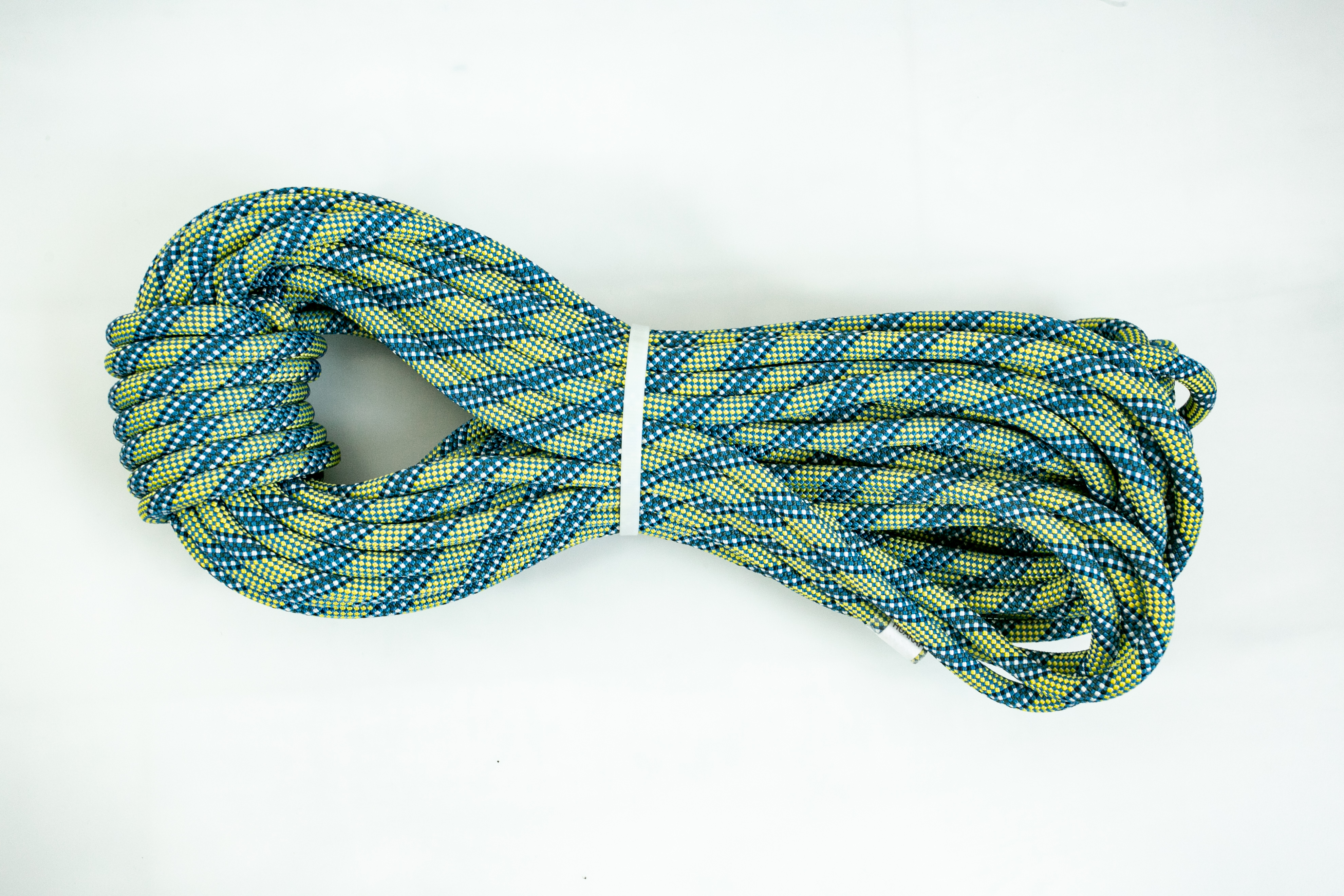
Dynamic Rope: When the Terrain Becomes Unpredictable
Earthquakes do not only create urban rescue challenges.
They can also trigger rockfalls, landslides, and unstable mountain terrain.
For climbers, mountaineers, and mountain rescue teams, dynamic rope provides an important layer of protection by absorbing energy during a fall.
This makes dynamic rope particularly relevant to technical climbing and rescue environments where unexpected movement can occur.
Recent high-angle rescue operations demonstrate that these environments remain highly relevant. In Australia, emergency crews recently carried out a high-angle rescue after a person fell down a steep section of terrain at You Yangs Regional Park, requiring specialized equipment and air evacuation.
The lesson is simple:
When access becomes vertical, equipment selection matters.

Helicopters Can Reach the Remote—But Not Always Land
Some rescue situations go even further.
What happens when the victim is offshore, on an isolated island, or surrounded by terrain where a helicopter cannot safely land?
Aerial hoist and rope-access systems can become essential.
A recent rescue off California's Anacapa Island involved two kayakers who had spent hours in the water after their kayak overturned. A Coast Guard helicopter ultimately hoisted the pair from the ocean during a nighttime rescue.
Such operations demonstrate an important principle of modern emergency response:
Access does not always mean landing.
Sometimes it means creating a controlled connection between the aircraft, rescuer, and victim.
For specialized helicopter rope systems, reliability under demanding operational conditions is therefore critical.
The Rescue Equipment Behind Disaster Recovery
The need for rope systems does not disappear when the immediate rescue ends.
After an earthquake or major storm, recovery workers may need to inspect damaged buildings, towers, bridges, communication infrastructure, and industrial facilities.
That means the second phase of disaster response often becomes a work-at-height challenge.
High-altitude work safety ropes and fall protection systems can support trained professionals as they inspect and repair infrastructure in difficult environments.
This is particularly important when damaged structures cannot yet be accessed through normal routes.
The rope becomes part of the recovery system—not just the rescue system.
Extreme Heat Adds Another Layer of Risk
The 2026 Kumamoto earthquake also highlighted another emerging challenge: disaster response during extreme heat.
Reports noted that emergency workers had to operate in severe summer conditions while responding to the earthquake's aftermath.
Japan's Self-Defense Forces continued supporting affected communities while also assisting with emergency protection of damaged homes ahead of an approaching typhoon.
This combination of earthquake damage, heat, weather exposure, and difficult terrain demonstrates why emergency equipment must be designed around real-world conditions rather than ideal environments.
Building the Lifeline Before the Emergency
A rescue rope cannot solve every disaster.
But the right rope system can create access when almost everything else has failed.
Static ropes provide controlled movement.
Dynamic ropes provide energy absorption for climbing applications.
High-altitude safety ropes support work-at-height operations.
Climbing ropes help rescuers and outdoor users manage technical terrain.
Helicopter fast rope systems expand access to remote locations.
Together, these technologies form part of a larger rescue ecosystem built around preparation, training, inspection, and reliable equipment.
The most important rescue tool is not always the most visible one.
Sometimes, it is the line connecting the rescuer to the person waiting to be saved.
When the ground moves, rescue may have to go vertical.
And when the route disappears, the right rope can create a new one.